어묵탕 Eomuktang
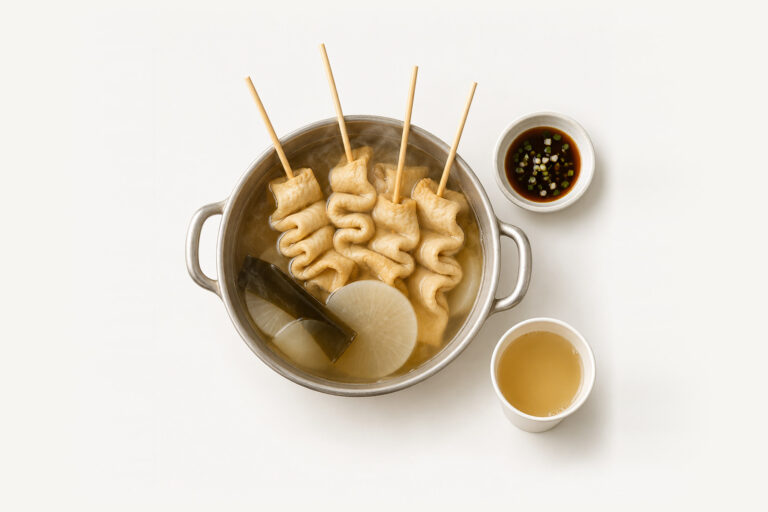
A clear broth of fish cakes on skewers, sold hot at street stalls and shared as a pot at bars.
Spice: Not spicy
Tang (hearty soup)
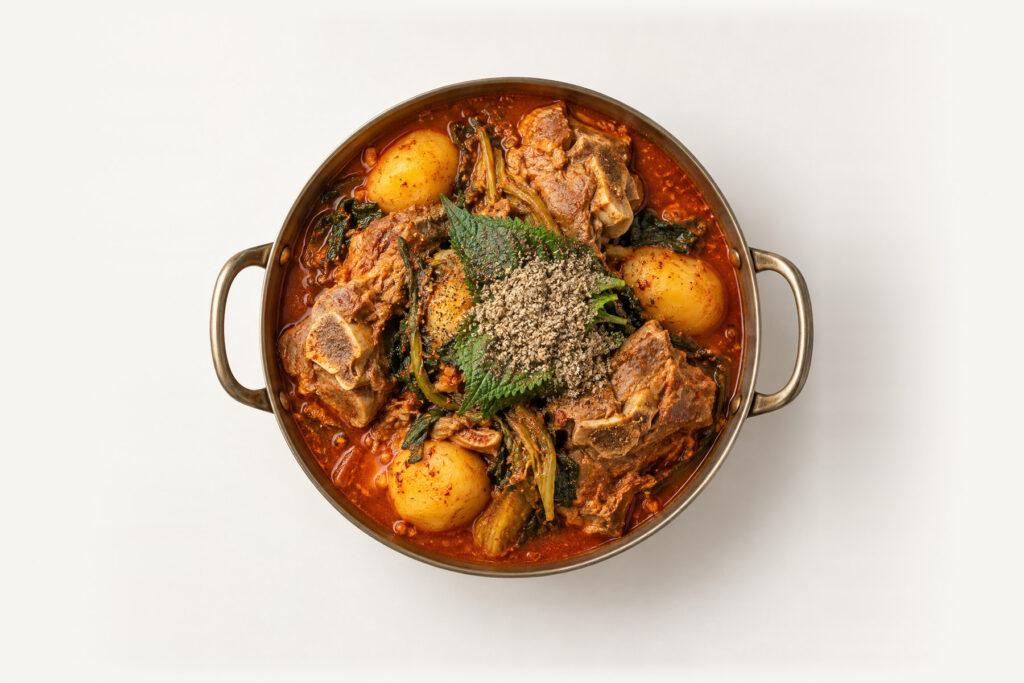
A spicy stew of pork back-bones, potatoes and dried greens, usually shared from one pot.
| Fact | Details |
|---|---|
| Main ingredients | Pork back-bones, potatoes, dried greens, perilla leaves, ground perilla seeds |
| How it's served | Simmering in a wide pot on a tabletop burner, with kimchi and side dishes |
| Spice level | Medium — Clearly spicy. You'll want water nearby. |
| Diet | Contains pork — Pork is a standard ingredient. |
| Allergens | Soy · Wheat |
| Ask about | Ground perilla seeds (not sesame) are standard; some places add sesame or instant noodles. |
| On the menu | 감자탕 (Gamjatang) |
| Also called | gamja tang · pork bone soup |
| Region | Nationwide |
Based on the usual recipe. Restaurants vary, so always tell the staff.
The pot is heated on a burner at your table. Wait until the broth bubbles before you start.
Use chopsticks, or plastic gloves if the restaurant offers them. Put the bare bones in the empty bowl on the table.
When the meat is gone, order fried rice (bokkeumbap). Many places fry rice in the leftover broth right in the pot.
Order it as 감자탕. It is usually sold by pot size for two or more people, so solo diners often order 뼈해장국 instead.
A clear broth of fish cakes on skewers, sold hot at street stalls and shared as a pot at bars.
Spice: Not spicy
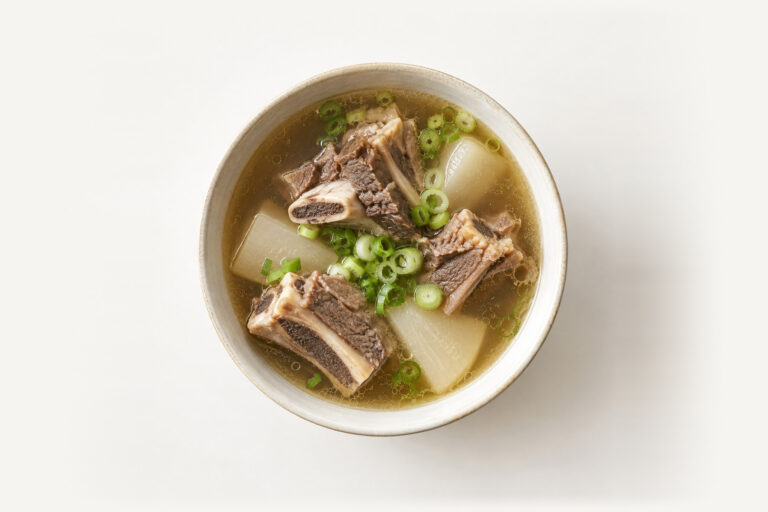
A clear soup of beef short ribs simmered until tender, eaten with rice as a full meal.
Spice: Not spicy
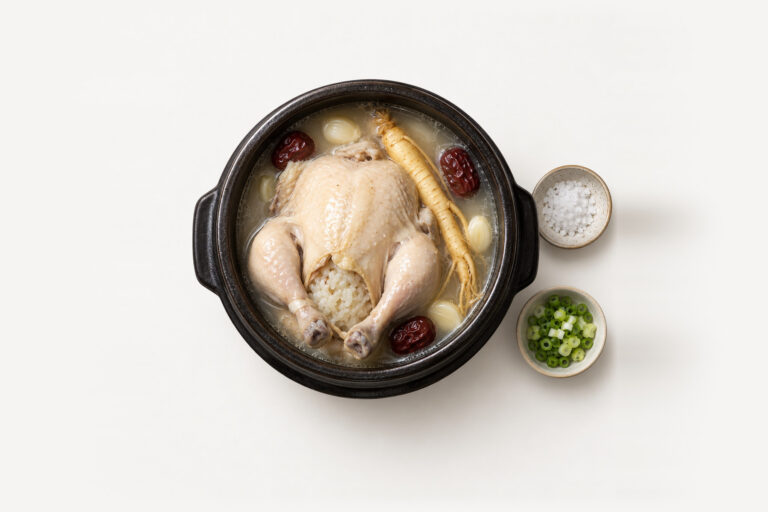
A whole young chicken stuffed with rice and ginseng, in a clear broth.
Spice: Not spicy
No. The stew is built on pork back-bones, and both the meat and the broth come from them.
Medium. The heat comes from chili flakes and chili paste, and the potatoes help soften it.
Usually not as a full pot. Most places sell it for two or more people, so solo diners often order ppyeohaejangguk, a single bowl of a similar pork-bone soup.